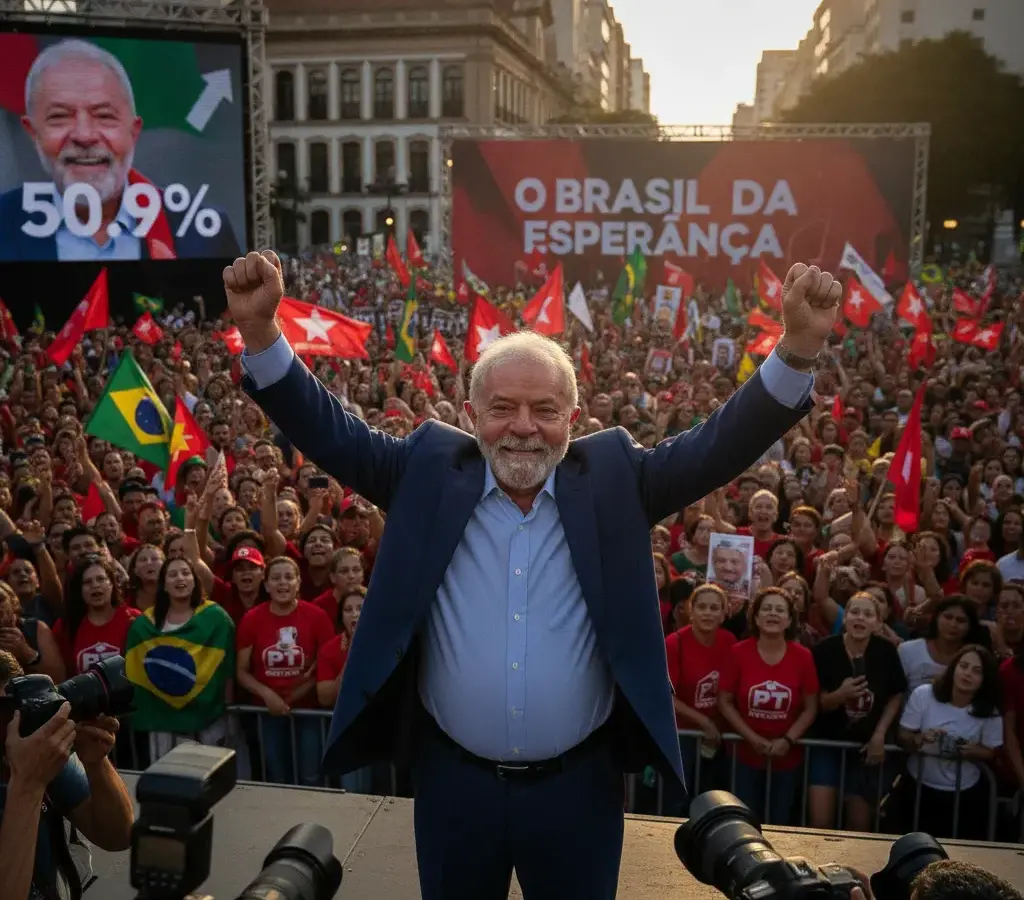
Luiz Inacio Lula da Silva has etched his name further into the history books, becoming the first Brazilian president to secure a fourth term. At nearly eighty one years old, Lula achieved what seemed impossible under the current democratic era by overturning a first round defeat to emerge victorious against Flavio Bolsonaro. This stunning reversal saw the Workers Party candidate surge ahead by adding ten million votes in the final three weeks of the campaign, far outpacing his rival and securing a mandate even stronger than his previous victory over Flavio’s father.
The path to victory was paved with strategic geography and a modernized digital offensive. By flipping key margins in Minas Gerais and dominating the northeastern states, Lula leveraged a significant increase in voter turnout to seal the deal. His team focused heavily on mobile mobilization to ensure supporters actually reached the polls, while simultaneously pivoting toward pragmatic policy shifts. To neutralize right wing advantages, Lula adopted surprisingly tough stances on crime and introduced targeted economic reliefs for micro entrepreneurs and debtors, appealing directly to the anxieties of the working class.
Despite the celebratory atmosphere, Lula inherits a governance nightmare characterized by a stark ideological divide. While he holds the presidency, the right maintains an overwhelming grip on both the Chamber of Deputies and the Senate. This creates a precarious paradox where a historic popular mandate meets severe legislative limitations. Furthermore, Flavio Bolsonaro has followed his father’s precedent by refusing to concede, challenging court decisions regarding voting extensions in an attempt to annul the results.
Looking forward, Lula faces a grueling balancing act between populist promises and harsh fiscal realities. High interest rates and deficits mean that translating macroeconomic growth into tangible relief for citizens will be difficult without triggering financial instability. Beyond domestic struggles, Lula now stands as the primary bulwark for the regional left in Latin America at a time when much of the continent continues to drift toward conservative movements aligned with global right wing trends. Whether he can bridge this gap depends entirely on his ability to negotiate with an unfriendly Congress and prepare a legacy that survives his own political shadow.